

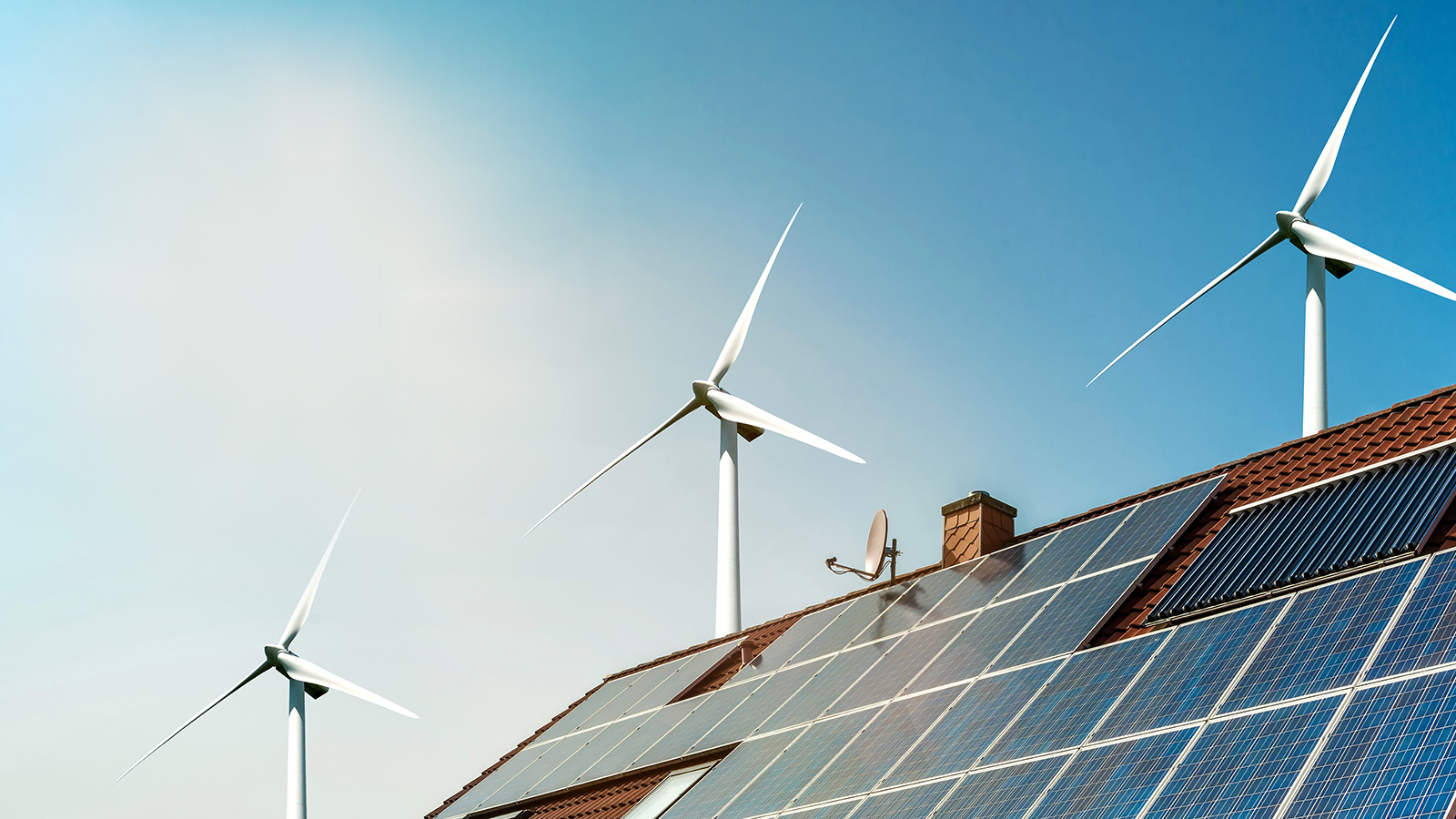
Understanding How Solar Panels Work
Solar panels are devices that capture sunlight and convert it into electricity. They are made up of photovoltaic (PV) cells, typically composed of silicon, which absorb sunlight and generate direct current (DC) electricity. This electricity is then converted into alternating current (AC) by an inverter, making it usable for your home or business appliances.
Whether you’re looking at solar panels for home use or a large commercial setup, installing them on rooftops or open land lets you harness clean, renewable energy from the sun — reducing your dependence on fossil fuels and cutting down electricity bills. They operate silently, require minimal maintenance, and can last 25 years or more with high efficiency.
Modern systems are smart and scalable, so you can start small and expand as needed. Pairing solar panels with solar batteries allows you to store excess energy for use at night or during outages, giving you greater energy independence and better control over your electricity usage. From solar panel installation in Liverpool to homes and businesses across Campbelltown, we make the switch to solar simple and stress-free.
Our Solar Installation Process
Discover & Survey
Custom Design
Install with Care
Monitor & Support
Solar panels work by capturing sunlight through photovoltaic (PV) cells, which convert the sun’s energy into direct current (DC) electricity. This DC power then flows through an inverter, which changes it into alternating current (AC) — the type of electricity used to power your home or business. During the day, your system powers your appliances, and any excess energy can be stored in a battery or exported back to the grid.
Yes, significantly. Solar panels generate electricity that your home or business can use instead of drawing from the grid. This reduces your reliance on your electricity provider and lowers your monthly power bill. Depending on the size of your system and your energy usage, many homeowners can cut their bills by 50% to 100%, especially when combined with a battery storage system.
Most high-quality solar panels last 25 to 30 years or more. While their efficiency may gradually decline over time, panels typically retain 80–90% of their original output even after 25 years. Proper installation, CEC-approved products, and occasional cleaning or maintenance help maximize their lifespan and efficiency.
Yes, solar panels still produce electricity on cloudy days and in winter—just at lower levels. While output is reduced compared to sunny days, modern panels are designed to be sensitive to indirect light, meaning they continue to generate energy even in overcast conditions. In fact, solar systems are highly effective year-round, especially in a sunny country like Australia.
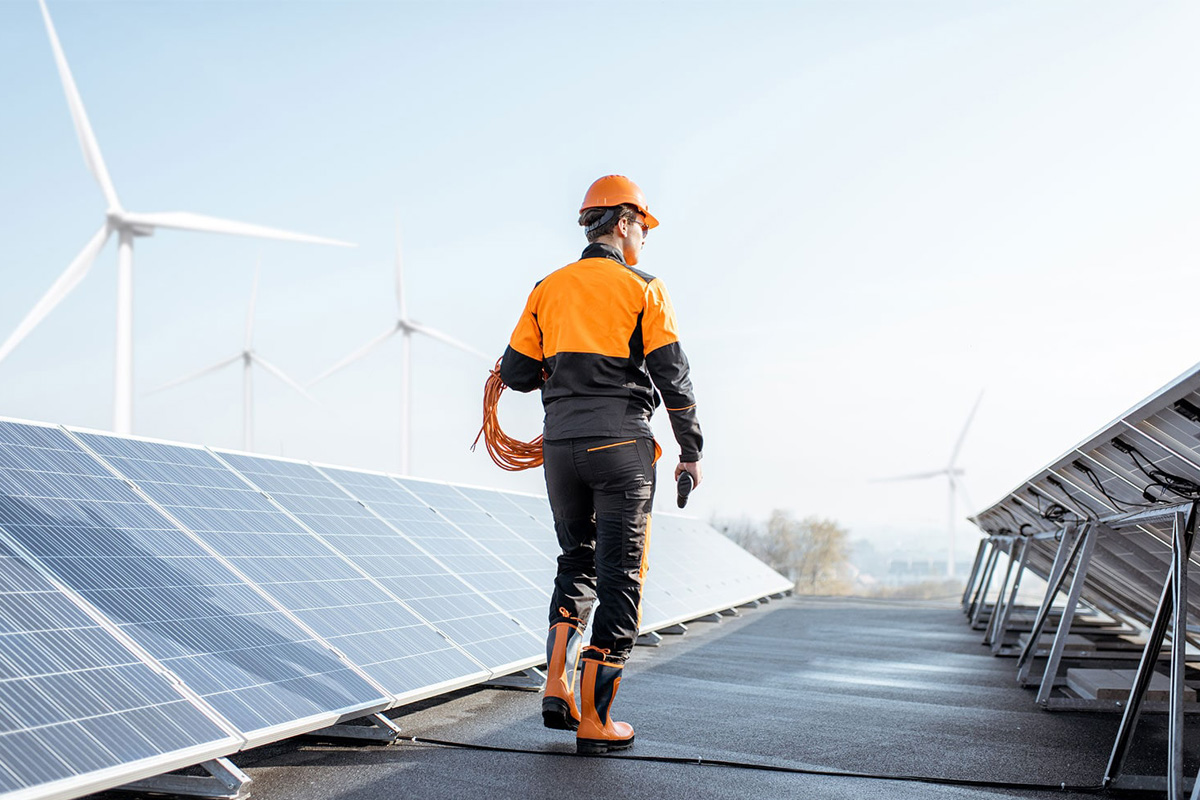
Why Is a Solar Panel Important?
A solar panel does more than generate electricity — it offers a clean, renewable, and sustainable alternative to fossil fuels. Unlike coal or gas, solar power releases no harmful emissions, making it one of the most effective tools in the fight against climate change. By tapping into the sun’s energy, we reduce our carbon footprint, improve air quality, and protect the environment for future generations.
For homeowners across Liverpool, Campbelltown, and throughout NSW, solar panel installation has become one of the smartest ways to cut electricity bills and reduce dependence on the grid. Whether you’re powering a family home or a large commercial property, the right system delivers long-term savings and energy independence.
Today’s systems can also be paired with battery storage, giving you power around the clock — not just when the sun is shining. At Solar Battery Outlet, we’ve been helping NSW households and businesses make that switch since 2019, with fully certified installations and trusted brands you can rely on. With rising energy costs and growing demand for sustainable solutions, investing in the best solar panels Australia has available is a practical, future-focused decision for any home or business.
Solar also empowers homeowners and businesses by lowering electricity bills and reducing dependence on the grid. It promotes energy independence, strengthens energy security, and supports job creation in the growing green energy sector. With rising energy costs and increasing demand for sustainable solutions, solar is not just an option—it’s a necessity for a cleaner, more resilient future.