

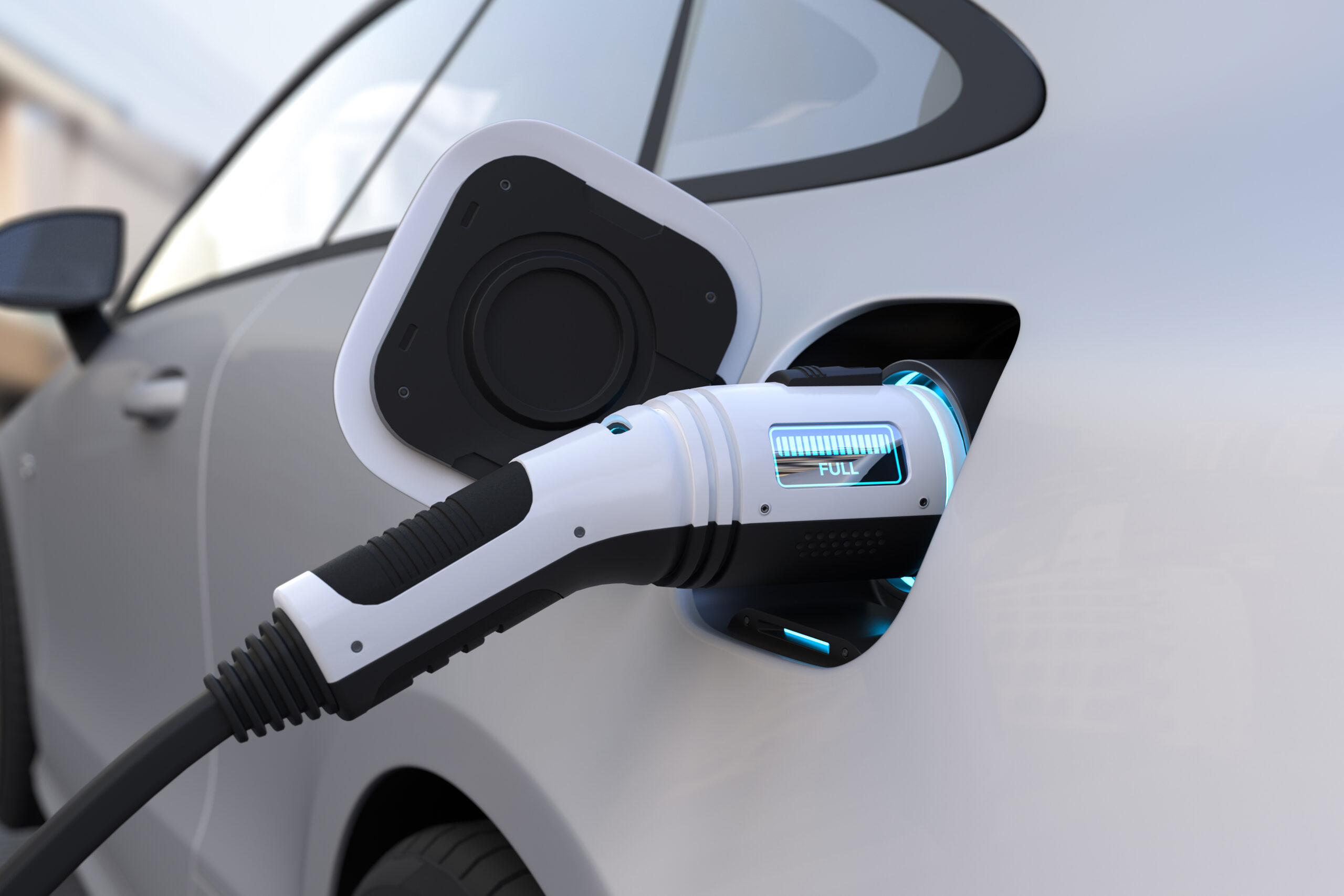
About EV Chargers
An EV (Electric Vehicle) charger is a device that supplies electricity to recharge electric cars. Instead of relying on traditional fuel, EVs use stored electricity in batteries — and EV chargers provide a safe, fast, and convenient way to replenish that power at home, work, or public stations.
There are different levels of EV chargers:
Level 1 (Standard): Uses a regular household outlet and is ideal for overnight charging.
Level 2 (Fast Charging): Requires a dedicated circuit and can fully charge most EVs within a few hours.
DC Fast Chargers (Commercial Use): Delivers rapid charging and is mainly used in public or high-traffic areas.
Home EV chargers offer the freedom to charge your car overnight, reduce trips to commercial stations, and take advantage of solar power or off-peak electricity rates — saving both time and money. Smart EV chargers can be integrated with solar systems, allowing you to power your vehicle using clean energy generated right from your roof.
Installing an EV charger at home not only increases the convenience of owning an electric vehicle but also adds value to your property and supports a more sustainable future.
Services We Provide
Home Charging Convenience
Commercial & Public Use
Charging time depends on the type of charger and the vehicle’s battery size. A standard Level 1 charger (plugged into a regular outlet) can take 12–24 hours for a full charge. A Level 2 charger, which uses a 240V outlet, typically takes 4–8 hours. For most homeowners, Level 2 provides the best balance of speed and convenience.
Yes, most homes can support the installation of a Level 2 EV charger. It requires a dedicated 240V circuit, which a licensed electrician can install. We’ll assess your home’s electrical system, recommend a suitable charger, and ensure the setup is safe, compliant, and future-ready.
Absolutely. EV chargers can be integrated with your solar panel system, allowing you to power your vehicle using clean, renewable energy. When paired with a battery, you can even charge your EV at night using stored solar energy, further reducing your reliance on the grid.
Yes, quality EV chargers are built to be weatherproof and durable, with sealed enclosures rated for outdoor use. Whether it’s rain, heat, or dust, they’re designed to operate safely in all Australian weather conditions. Regular maintenance and professional installation ensure long-term safety and performance.
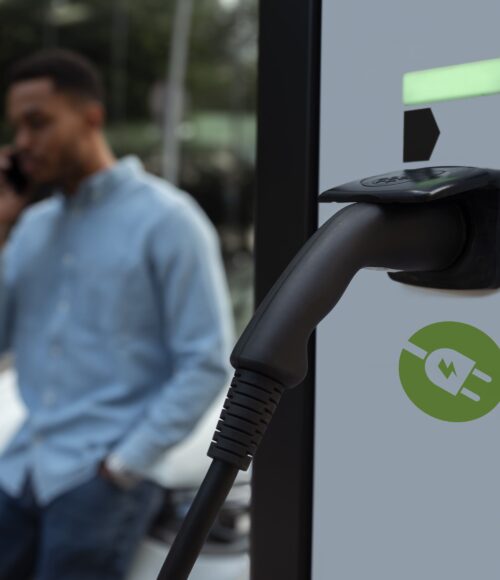
Why Electric Vehicles Are Important
Electric vehicles (EVs) are a major step toward a cleaner, more sustainable future. Unlike traditional petrol or diesel vehicles, EVs run on electricity, producing zero tailpipe emissions. This means they significantly reduce air pollution, greenhouse gas emissions, and our dependence on fossil fuels — helping to combat climate change and improve public health.
EVs are also more energy-efficient than internal combustion engine vehicles, converting a higher percentage of energy from the battery into movement. With fewer moving parts, they require less maintenance, have lower running costs, and offer a quieter, smoother driving experience.
As more renewable energy sources like solar power are used to charge EVs, their environmental impact becomes even lower. In countries like Australia, where solar is abundant and battery storage is growing, EVs can be powered by clean energy — turning personal transport into a green solution.
Additionally, government rebates, incentives, and expanding charging infrastructure make EVs more accessible and practical for daily use. From reducing costs to preserving the environment, electric vehicles are essential to the future of transportation.