
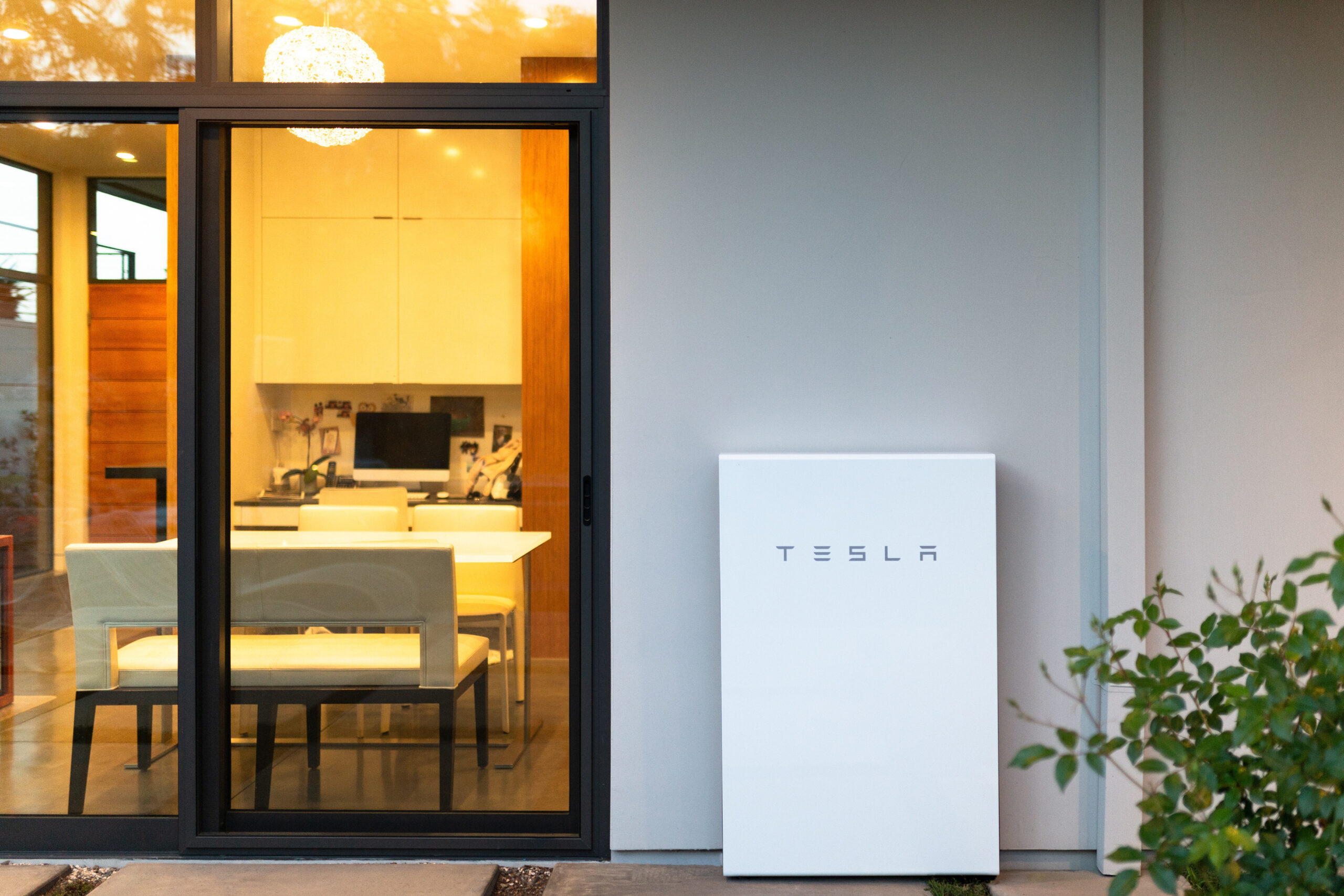
About Batteries
A solar battery is a device that stores excess energy generated by your solar panels during the day, so you can use it later — at night, during cloudy weather, or when there’s a power outage. Instead of sending all unused solar power back to the grid, a battery allows you to keep that energy for yourself, increasing your system’s efficiency and savings.
Solar batteries help reduce reliance on the electricity grid and offer greater energy independence. They are especially useful in areas with high electricity costs, frequent blackouts, or time-of-use billing. When paired with smart inverters, solar batteries can manage when and how energy is used, helping to lower bills and extend battery life.
Modern solar batteries, especially lithium-ion types, are compact, long-lasting (typically 10–15 years), and require minimal maintenance. They can be installed alongside a new solar system or retrofitted into an existing one — making them a powerful upgrade for any home or business looking to maximize their solar investment.
Services we Provide
Understanding Needs
Design the Solution
Install & Connect
Ongoing Support
Our Trusted Brands
We work with top-tier, CEC-approved brands known for quality, reliability, and performance. Our trusted partners ensure your solar system is built to last and meets the highest Australian standards.
Growatt

ENPHASE

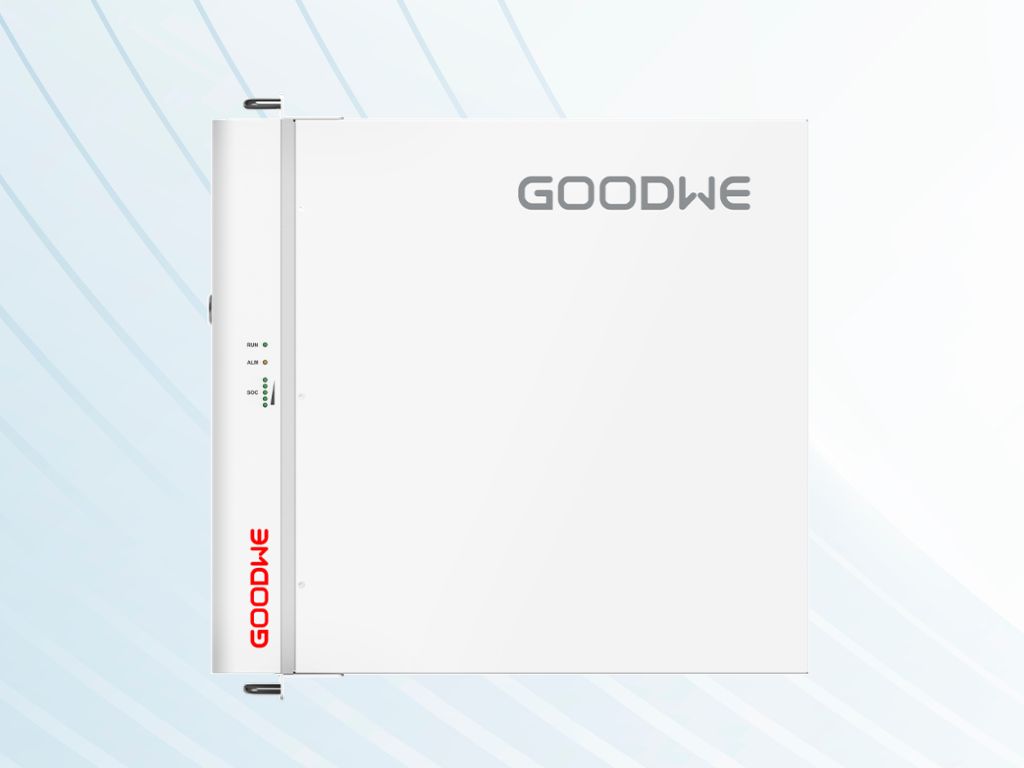
GOODWE

JA solar

Trinasolar

Longi

LG

Jinko Solar

Hanwha

Canadian Solar

SUNPOWER

Solar edge

SUNTECH

Fronius

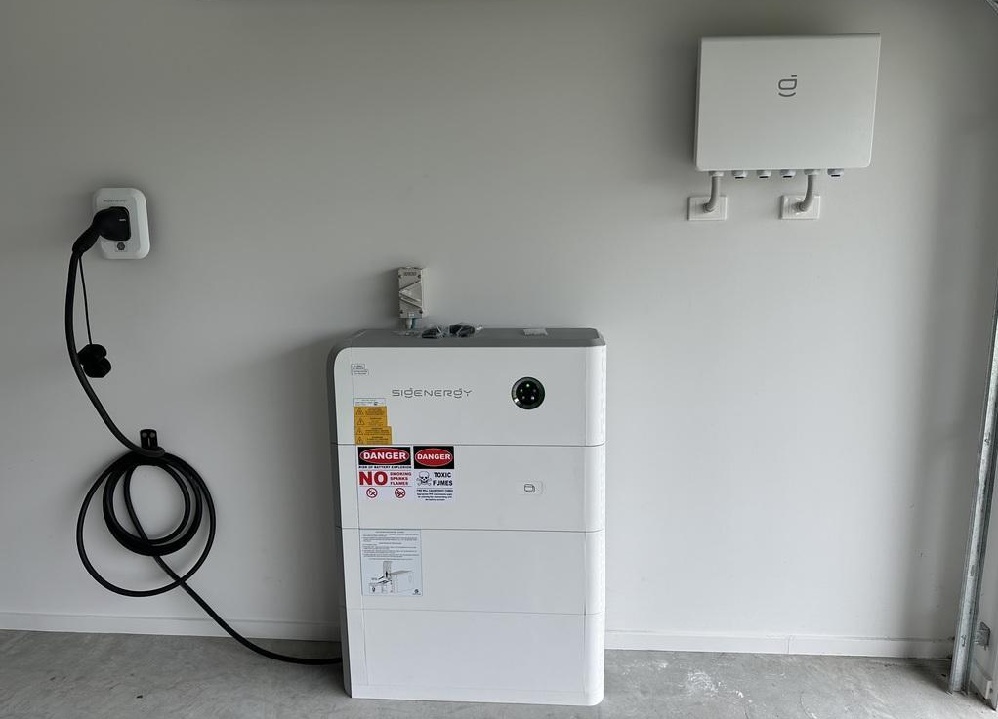
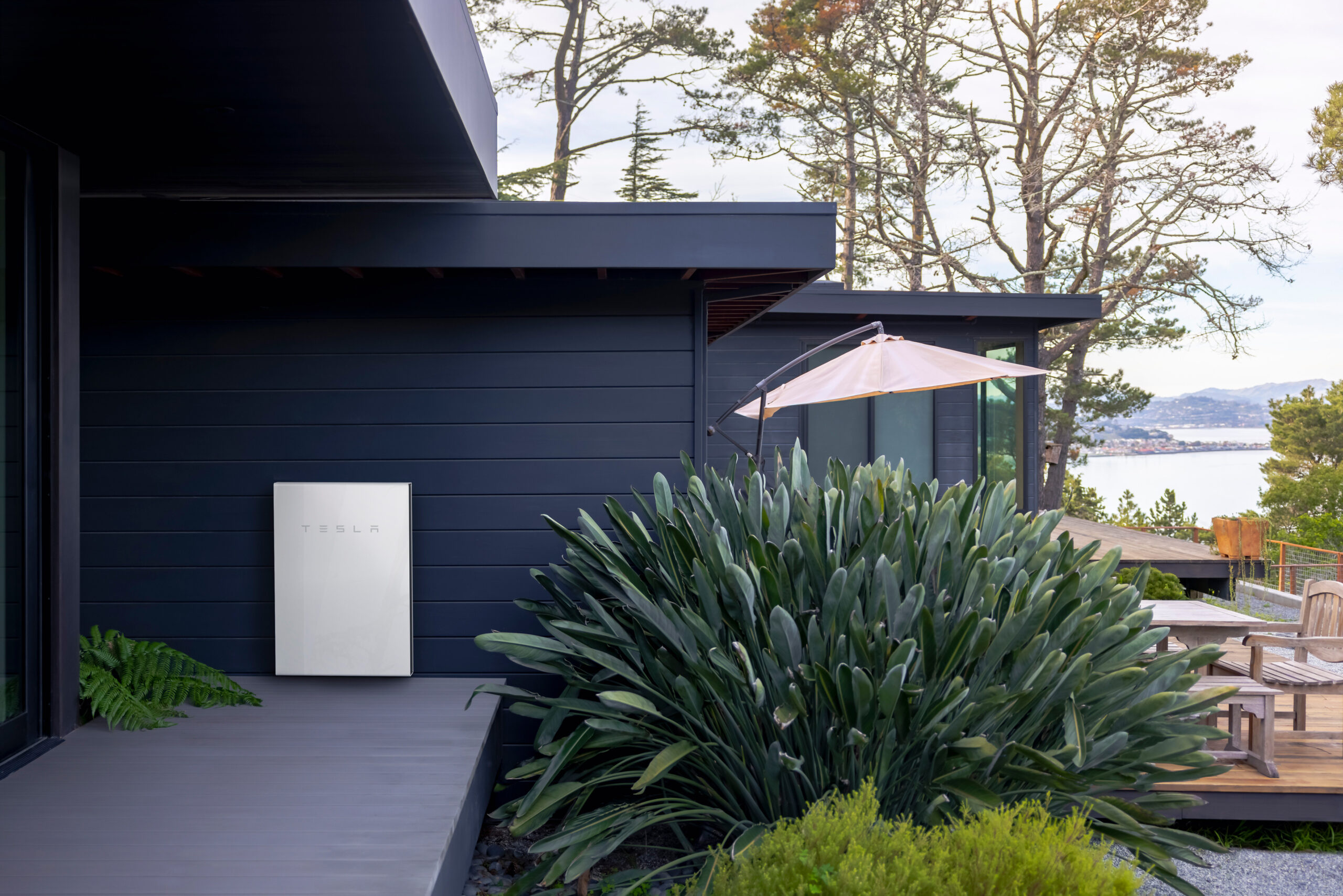
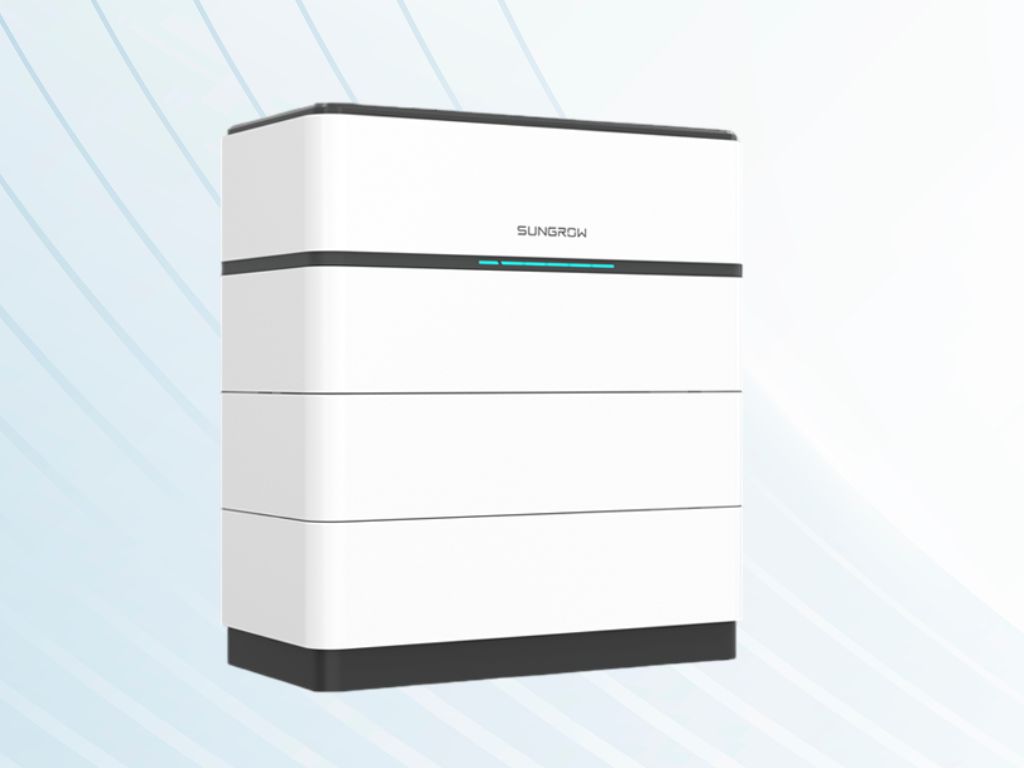
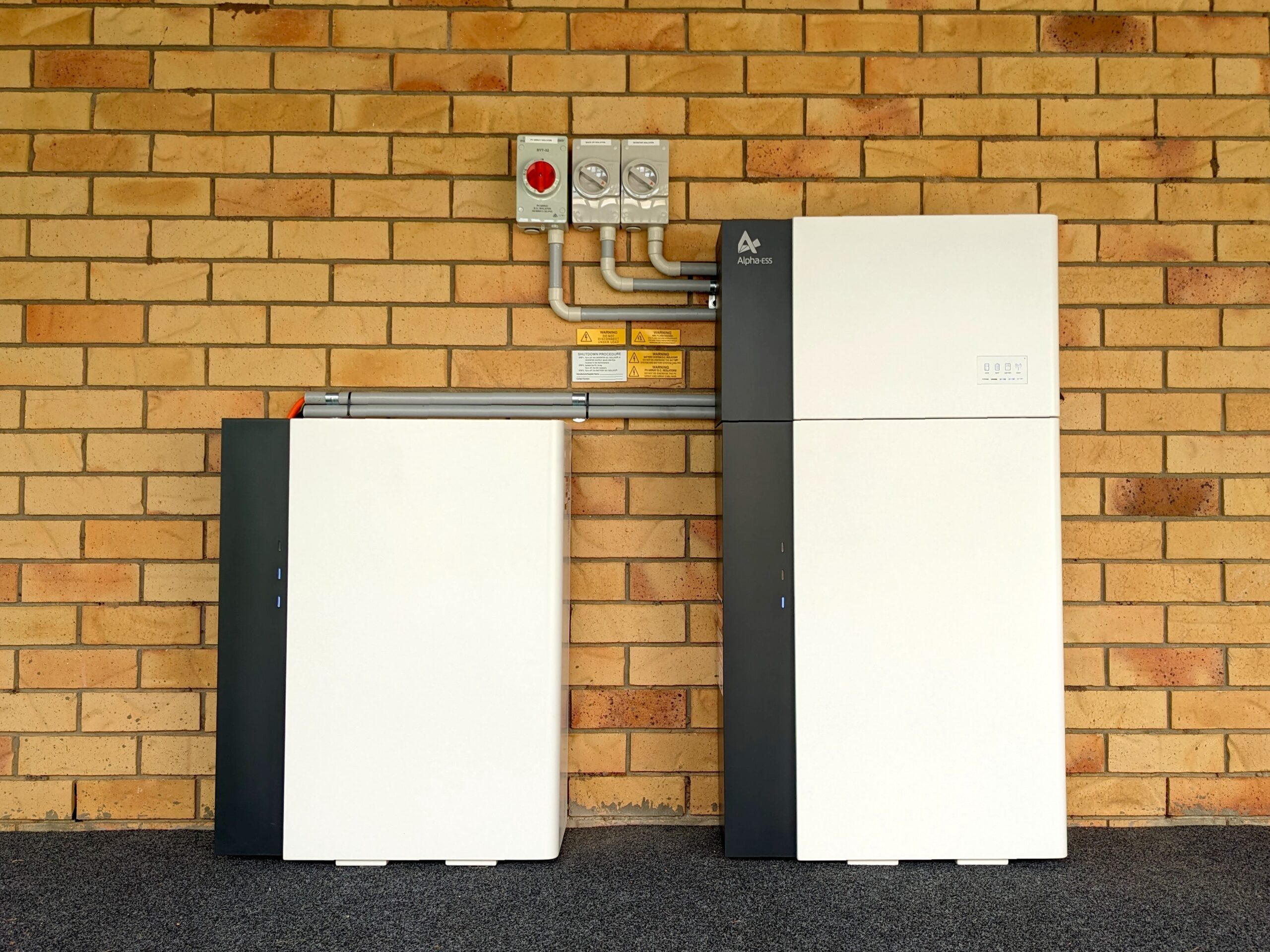
Most solar batteries last between 10 to 15 years, depending on the type of battery, usage patterns, and maintenance. Lithium-ion batteries, which are commonly used today, offer longer lifespans and better efficiency. Regular care, proper installation, and avoiding deep discharges can help extend battery life, ensuring consistent performance and better long-term savings.
Yes, batteries can be integrated into most existing solar systems. Our expert team will evaluate your current setup to ensure compatibility and recommend efficient battery options that seamlessly work with your existing infrastructure—giving you greater energy independence and backup protection.
A battery provides essential backup power during grid outages, keeping your lights, appliances, and key devices running. Unless your system is fully off-grid, it stays connected to the main electricity grid—offering added reliability and flexibility by using grid power when needed and sending excess energy back when available.
To care for your solar battery, keep it in a well-ventilated and temperature-controlled area, avoid full discharges, and monitor its performance regularly through the system app. Schedule periodic checks to ensure wiring, connections, and charge levels are stable, and only use CEC-approved components for safe, long-lasting operation.
Yes, if you want to maximize your solar investment. A solar battery allows you to use more of your solar energy, reduce your electricity bills, and maintain power during outages. It’s especially valuable if you face high energy costs, frequent blackouts, or want greater energy independence.
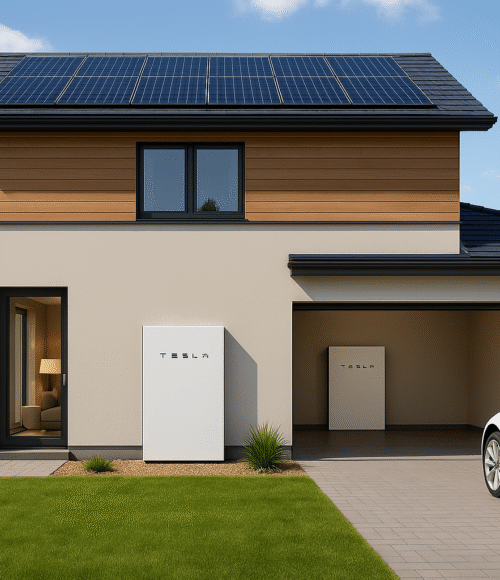
How a Solar Battery Works in Your Home
During the day, your solar panels capture sunlight and convert it into electricity. This electricity first powers your home’s appliances — like lights, fans, air conditioners, or kitchen devices. Any extra energy that your home doesn’t use is stored in the solar battery.
As the sun sets and solar production drops, your home starts using the stored energy from the battery. This lets you keep using your appliances at night without relying on grid electricity.
If your battery becomes fully charged and there’s still excess solar energy, it is sent back to the grid — often earning you credits on your electricity bill. And if your battery runs low, the system automatically pulls power from the grid to keep your home running without interruption.